A new import cost, an old (or new!) contract: who carries the risk?
28 October 2026


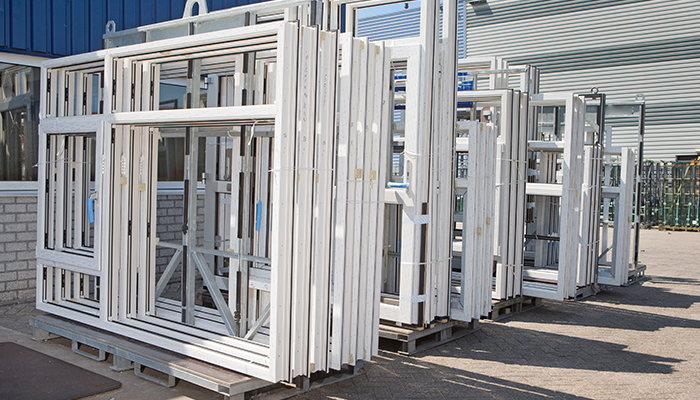
Principals, contractors, subcontractors and suppliers involved in projects using imported aluminium windows and doors should be aware of a recent decision by the Australian Trade Remedies Commission (ATRC), which may have cost implications for current and future projects.
Parties with current contracts may need to consider where the risk of any additional costs may lie.
For future projects, how to manage any potential cost for should be considered before the parties enter into any new contract.
What has happened?
On 14 October 2026, the ATRC issued a preliminary determination in relation to Investigation No 691 (the investigation).
This investigation concerns aluminium windows and doors that may have received government subsidies being exported from China and ‘dumped’ into Australia at prices that Australian suppliers are not able to compete with.
The ATRC’s preliminary findings have resulted in the ATRC requiring that securities are provided for any aluminium windows and doors that enter into Australia. These securities may then be used for duties that are imposed when the determination is finalised.
Depending on the exporter, those securities are variable and range from 5.3% to 70.4%.[1][2]
Importers should be aware that these securities must be provided before the goods are cleared through customs, potentially creating significant upfront funding and cashflow impacts.
For some projects, these measures may result in additional costs that were not contemplated when tenders were prepared, contracts were negotiated or procurement decisions were made.
The immediate challenge is that the measures may affect products already in the procurement pipeline. The additional cost is tied to when goods enter Australia, not necessarily when they were ordered. As a result, aluminium windows and doors that were priced, procured, ordered or even manufactured before the measures were introduced may still attract the additional cost if they arrive in Australia after 15 October 2026.[1][2]
For projects that are at tender stage, parties should be aware of potential additional costs that may be incurred, which may vary from supplier to supplier depending on the extent of the additional security (or duty) required.
The key issue for those affected is straightforward: who is ultimately responsible for the additional cost?
A procurement issue or a contract issue?
Construction projects often involve lengthy procurement periods. Products may be specified, priced, ordered and manufactured months before they are delivered to site.
When an unexpected cost arises after those arrangements are in place, parties can have very different views about where responsibility sits.
- A principal may expect the contractor to absorb the cost.
- A contractor may look to a subcontractor.
- A subcontractor may seek recovery from its supplier.
- A supplier may maintain that the cost falls outside its agreed scope.
What begins as a procurement issue can quickly become a contractual issue.
What should now be done?
Parties affected by these measures should consider reviewing their contractual arrangements sooner rather than later.
An early review can assist in identifying:
- whether you are affected at all
- where risk is likely to sit
- whether there may be an entitlement to recover additional costs
- whether notice requirements apply. and
- what steps could be taken to protect a party's position.
Current contracts: what does the contract say?
There is no universal answer.
Whether an additional cost can be recovered, passed through the contractual chain or must be absorbed will depend on the terms of the relevant contract and how risk has been allocated between the parties.
This is why two projects affected by exactly the same event may produce entirely different outcomes.
Parties should look at the position in their change in law clauses, and also whether there are clauses specifically covering who is liable to pay customs and import duties.
Future contracts: be clear on who carries this cost
For current and future tenders, parties should have a clear understanding of which party is responsible for any additional costs. It is likely that the cost impost will become more settled once the final determination is issued, but parties should be clear on the cost impacts that may affect a future project, and whether using a particular supplier could result in a higher importation cost.
Understanding those issues early may help avoid a commercial disagreement developing into a formal dispute.
Sparke Helmore's projects construction team regularly advises principals, developers, contractors, subcontractors and suppliers on risk allocation, contractual entitlements and cost recovery issues.
If your project may be affected by the recent import measures on aluminium windows and doors, our team can assist in reviewing contractual arrangements, identifying potential recovery pathways and assessing where risk is likely to sit.
[1] Australian Trade Remedies Commission, Preliminary Affirmative Determination Notice, Investigation No. 691 (14 October 2026).
[2] Australian Trade Remedies Commission, Statement of Essential Facts No. 691, Description of Goods.
