Special edition - Procedural Direction PIC6 - Issue 163
20 October 2026



On 28 September 2026, Procedural Direction PIC6 — which provides information about applying for, and the assessment of, medical assessment matters under, inter alia, the Motor Accidents Compensation Act 1999 and the Motor Accident Injuries Act 2017 — was amended.
Paragraphs 18 and 19 of PIC6 enhance the evidentiary requirements for the purpose of ‘ensuring applications, including treatment and care disputes and impairment of earnings disputes, can proceed in a timely manner in line with the objects of our legislation’ according to Edition 103 of the PIC News.
The applicant must file supporting evidence with the application itself, not later:
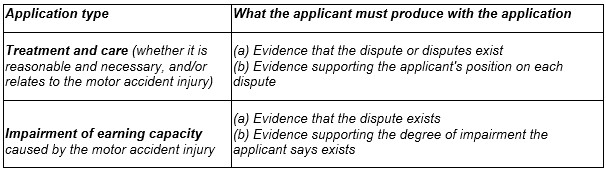
An application filed without evidence of a live dispute and substantive material supporting the applicant's position is at risk of being dismissed under s 54 of the Personal Injury Commission Act 2020 (NSW):
54 Dismissal of proceedings
The Commission may at any stage dismiss proceedings before it –
(a) if it is satisfied that the proceedings have been abandoned, or
(b) if it is satisfied that the proceedings are frivolous or vexatious or otherwise misconceived or lacking in substance, or
(c) for any other ground of dismissal specified in the Commission rules.
An application in breach of PIC6 could be treated as misconceived or lacking in substance under s 54(b). Rule 77A means the applicant must be given a chance to make submissions before the Commission dismisses it:
77A Parties may make submissions before proceedings dismissed
Before dismissing proceedings under the PIC Act, section 54, the Commission must –
(a) give the parties to the proceedings the opportunity to make submissions on the proposed dismissal, and
(b) take the submissions into account.
The enhancement of PIC6 is consequent to the decision in Kewin v AAI Ltd t/as GIO Insurance [2026] NSWCA 86, available here. The claimant sought leave to appeal the dismissal of proceedings brought by him by way of judicial review for jurisdictional error before the primary judge. The leave was sought following the rejection by the Delegate of the second respondent (being the President of the Personal Injury Commission) of the claimant’s application for assessment by a medical assessor. The Delegate dismissed the claimant’s threshold injury medical assessment application on basis that it was filed without supporting evidence. The President’s Delegate determined that clause 17 of PIC6 had not been satisfied.
The Court of Appeal in Kewin dismissed the appeal. Leeming JA in his reasons rejected the claimant’s argument that the mandatory words in s 7.20(2) of the Motor Accident Injuries Act (’is to arrange’) required the President to arrange for a medical assessment. Leeming JA raised that the procedural requirements are critical in the ’high-volume administrative regime to resolve disputes’. The Court of Appeal reminded parties that they cannot ’ignore procedural requirements and be entitled to insist that the President arrange a medical assessor to deal with it’.
These changes will ensure that applications can proceed in a timely manner upon lodgement at the Commission, which accords with both the objects of the Personal Injury Commission Act 2020 under s 3 and the guiding principle under s 42.
Links to the relevant PIC6, rule 77A and section 54 are available.
