New workplace exposure limits put farm health in focus
18 September 2026


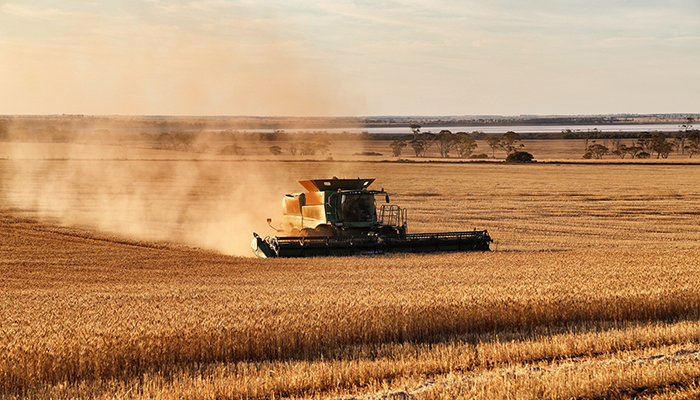
Dust, diesel exhaust, welding fumes and other airborne hazards are set to receive increased attention across agriculture, with Australia set to transition from Workplace Exposure Standards (WES) to Workplace Exposure Limits (WEL) from 1 December 2026.
The current framework sets exposure standards for a range of workplace hazards, including dusts, fumes, vapours and gases, and requires businesses to ensure workers are not exposed above prescribed levels.
The change reflects a broader focus on preventing occupational disease and long-term health impacts associated with airborne hazards. It also reinforces the message that exposure limits are just that: limits that should not be exceeded.
For agricultural businesses, particular attention is likely to focus on hazards commonly encountered across farming operations, including grain and cotton dust, diesel exhaust, welding fumes and certain chemical exposures. Several exposure limits have been revised following the national review, while the new terminology places greater emphasis on demonstrating that worker exposures remain below the applicable limits.
What does it mean for producers?
Most producers are already taking practical steps to manage airborne hazards through enclosed cabs, machinery maintenance, workshop ventilation, dust suppression and the use of appropriate respiratory protection.
The key question under the new framework is not whether controls are in place, but whether they are providing the level of protection intended.
Activities such as grain handling, harvesting, welding, workshop operations, earthmoving and chemical application may warrant closer consideration, particularly where workers are regularly exposed to dusts, fumes or exhaust emissions. For some producers this may involve air monitoring or exposure assessments to better understand potential exposures and confirm that existing controls are working effectively.
Importantly, the changes are about more than compliance. They reflect a shift in farm safety thinking, from focusing primarily on immediate injuries to also managing health risks that may take years or even decades to develop.
What should producers do now?
With the changes approaching, now is an ideal time for producers to review existing controls and identify whether further information is needed about potential exposure risks.
Practical steps may include:
- Reviewing tasks that generate dust, fumes or exhaust emissions.
- Assessing the effectiveness of existing ventilation and dust-control measures.
- Ensuring respiratory protection is suitable for the work being undertaken.
- Considering exposure monitoring where airborne hazards are present.
- Seeking advice from a qualified occupational hygienist if there is uncertainty about worker exposures.
For many farm businesses, monitoring may simply confirm that existing controls are working as intended. For others, it may identify opportunities for improvement before the new exposure limits take effect.
What do we recommend doing?
Ahead of the December 2026 commencement date, we recommend producers review their operations now to better understand potential exposure risks and ensure existing controls remain fit for purpose ahead of the new exposure limits taking effect.
Thea Price is a Workplace Partner at Sparke Helmore, who can assist producers and farm businesses to navigate the upcoming Workplace Exposure Limit changes, identify compliance gaps and ensure appropriate systems and controls are in place before the new framework commences.
